
Rewsane Netherlands crypto market insights and fintech innovation
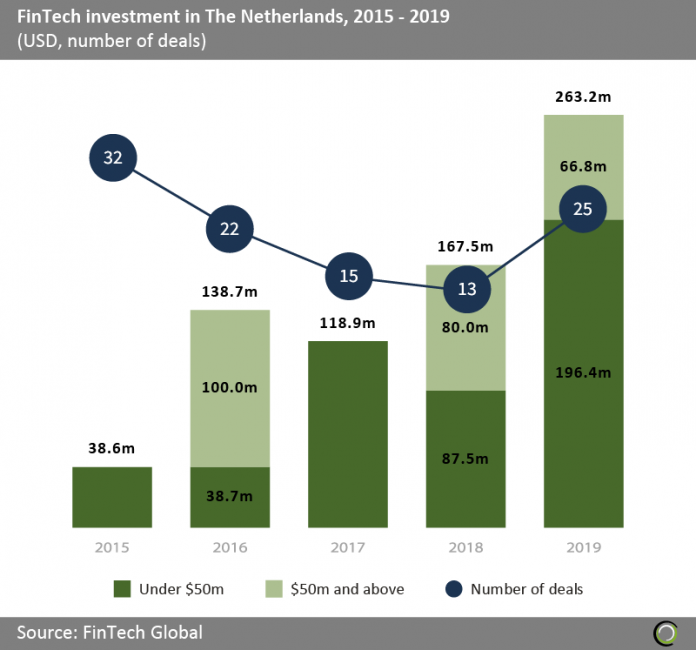
To grasp the current dynamics in currency alternatives and technological advances in finance, focus on the regulatory framework established by local authorities. The Dutch government has implemented clear guidelines, fostering an environment conducive to innovation while ensuring consumer protection. This proactive stance represents a significant shift compared to other jurisdictions where regulations remain ambiguous.
Investment in blockchain technology has surged significantly, with major players seeking partnerships with startups that can offer unique solutions. The combination of traditional banking and cutting-edge technology offers unprecedented opportunities for expansion and efficiency. For businesses eager to gain a foothold in this space, exploring collaborations with local innovators will be critical.
Moreover, the rise of decentralized finance has sparked interest among investors and consumers alike. Platforms that facilitate peer-to-peer transactions are gaining traction, indicating a notable shift away from conventional banking methods. Engaging with these platforms can yield substantial benefits for both users and providers. To stay informed about current developments, consider following platforms such as Rewsane Netherlands, which offer valuable information and analysis.
Analyzing Regulatory Developments Impacting Dutch Crypto Markets
Emphasizing transparency is critical for firms engaged in virtual currencies. Compliance with the European Union’s Markets in Crypto-Assets (MiCA) regulation is set to take center stage in 2024. Organizations should conduct thorough audits of their operations to ensure adherence is established, especially concerning investor protection and anti-money laundering protocols. This proactive approach not only safeguards reputation but also minimizes future liabilities.
The Authority for the Financial Markets (AFM) has intensified scrutiny on trading platforms, specifically regarding their licensing requirements. Entities that allow trading of tokens must obtain appropriate licenses to avoid hefty fines. Firms should prioritize obtaining these licenses upfront, ensuring they align their business models with regulatory expectations and avoid interruptions during operations.
Amid evolving policies, organizations must adapt their strategies to reflect changing regulatory environments effectively. Continuous monitoring of emerging guidelines will facilitate swift adjustments in business operations. Engaging with legal experts will enable firms to interpret and implement compliance measures correctly, promoting a sustainable pathway forward in a competitive financial sector.
Q&A:
What are the current trends in the cryptocurrency market in the Netherlands?
The cryptocurrency market in the Netherlands is experiencing significant developments. One notable trend is the increasing acceptance of cryptocurrencies among mainstream businesses. Many Dutch companies are beginning to integrate crypto payment options, reflecting a growing recognition of digital currencies as a viable means of transaction. Additionally, there is a rising interest in regulation, with government authorities focusing on creating frameworks to ensure consumer protection while encouraging innovation in the fintech space. Another trend is the emergence of eco-friendly cryptocurrencies and projects aimed at sustainability, reflecting the Netherlands’ commitment to environmental concerns.
How is the Dutch fintech sector adapting to challenges posed by cryptocurrency regulations?
The Dutch fintech sector is adapting to cryptocurrency regulations by actively engaging with policymakers to influence the development of a regulatory framework that balances innovation and safety. Fintech companies are investing in robust compliance systems to meet the requirements set by authorities, such as the Netherlands Authority for the Financial Markets (AFM). This proactive approach includes implementing anti-money laundering (AML) measures and ensuring transparent operations. Furthermore, many fintech startups are forming partnerships with established financial institutions to share knowledge and resources, which helps them navigate the complexities of current regulations while fostering growth and innovation in the industry.
Reviews
RogueWarrior
The Netherlands is really giving other countries a run for their money in the crypto and fintech departments. While some places are still figuring out if Bitcoin is a fad, the Dutch are busy crafting regulations that are as precise as their cheese-making techniques. The government is not just observing but actively engaging with innovators, ensuring the rules keep pace with technology. What stands out is their knack for collaboration. Instead of clamping down, they’re inviting startups and established companies to the same table. The emphasis on sustainability is another angle – green finance is gaining traction, with crypto projects striving to minimize their carbon footprints. If only other nations could catch this vibe! It seems like the Dutch, with their forward-thinking attitude, are planting the seeds for a future filled with financial solutions that are not only cutting-edge but also civilized.
PinkPanda
I find the trends in finance and cryptocurrency in the Netherlands quite fascinating, but I’m curious about the potential impact on everyday consumers. How do you envision the average person in the Netherlands adapting to these advancements? Will convenience and accessibility truly improve, or do you think there will be barriers that might prevent broader acceptance? As someone who’s always trying to keep up with the latest news and tools, I wonder if there are specific initiatives or educational programs in place to help individuals understand and engage with these technologies. What role do you see for community involvement in this shift? And how can we ensure that not just the tech-savvy crowd benefits from this financial evolution? I’m eager to hear your insights!
Henry
Is it just me, or does discussing crypto trends in the Netherlands feel like trying to catch smoke with bare hands? What’s next, a philosophical debate on whether NFTs have feelings? I’m curious, though—do you think the Dutch are really that interested in decentralized finance, or is it just a clever distraction from the fact that they can’t figure out how to keep their windmills spinning? What’s the hidden agenda here?